
Gero Salvador: Where Italian Craft Meets Bahian Flavor
Salvador doesn't do quiet. Neither does its food.
At Gero Salvador, that tension is what the kitchen is built around. Chef Bahia Brito has spent more than three decades working with Fasano , long enough to understand that the Italian gastronomic craft at the heart of the brand isn't something you soften when you move cities. You let it meet the place. In Salvador, that means Bahian cuisine: deeply rooted in African memory, inseparable from the city's identity. The result is a kitchen that doesn't mediate between two traditions so much as hold them, equally, at the same table.
A Building With History
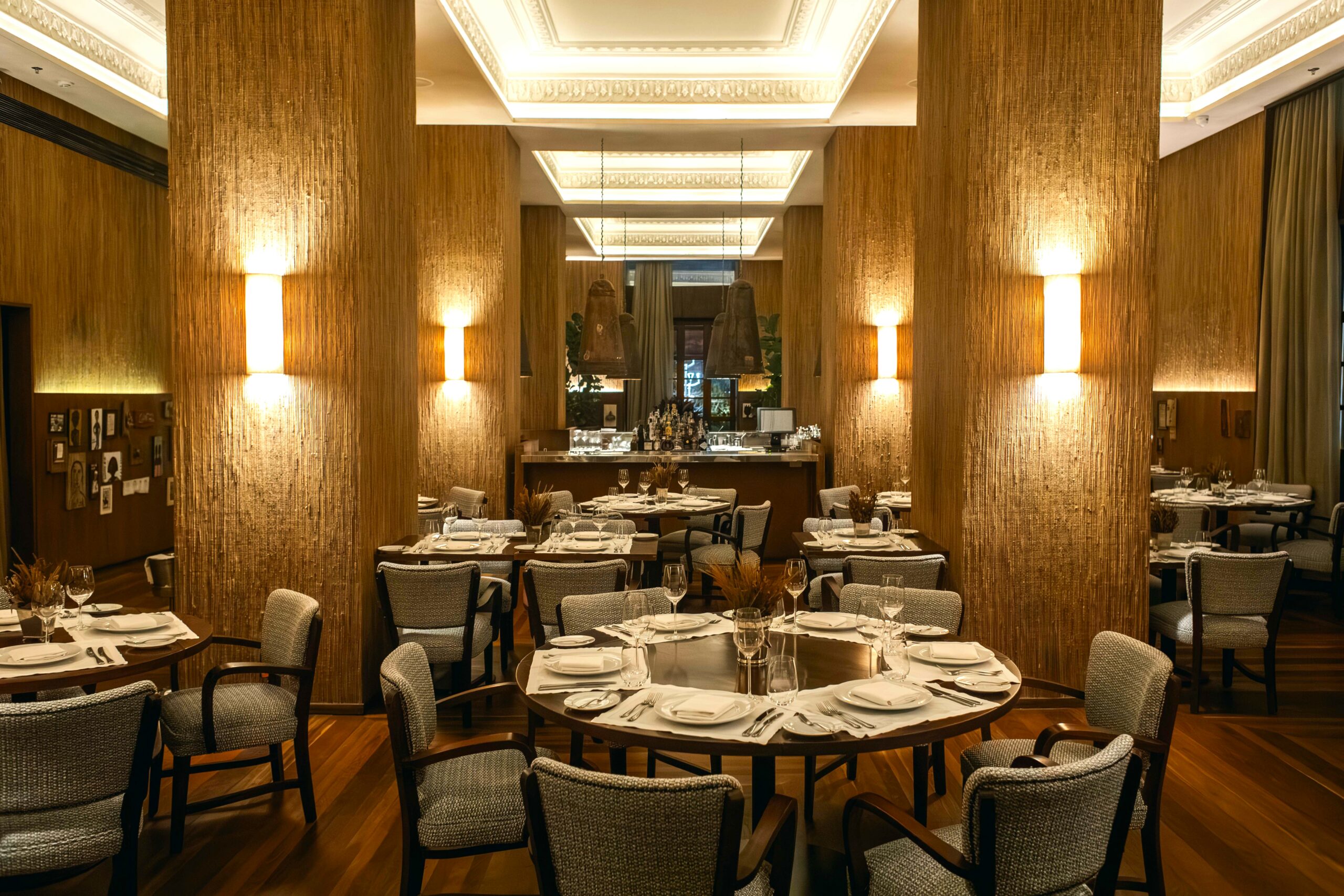
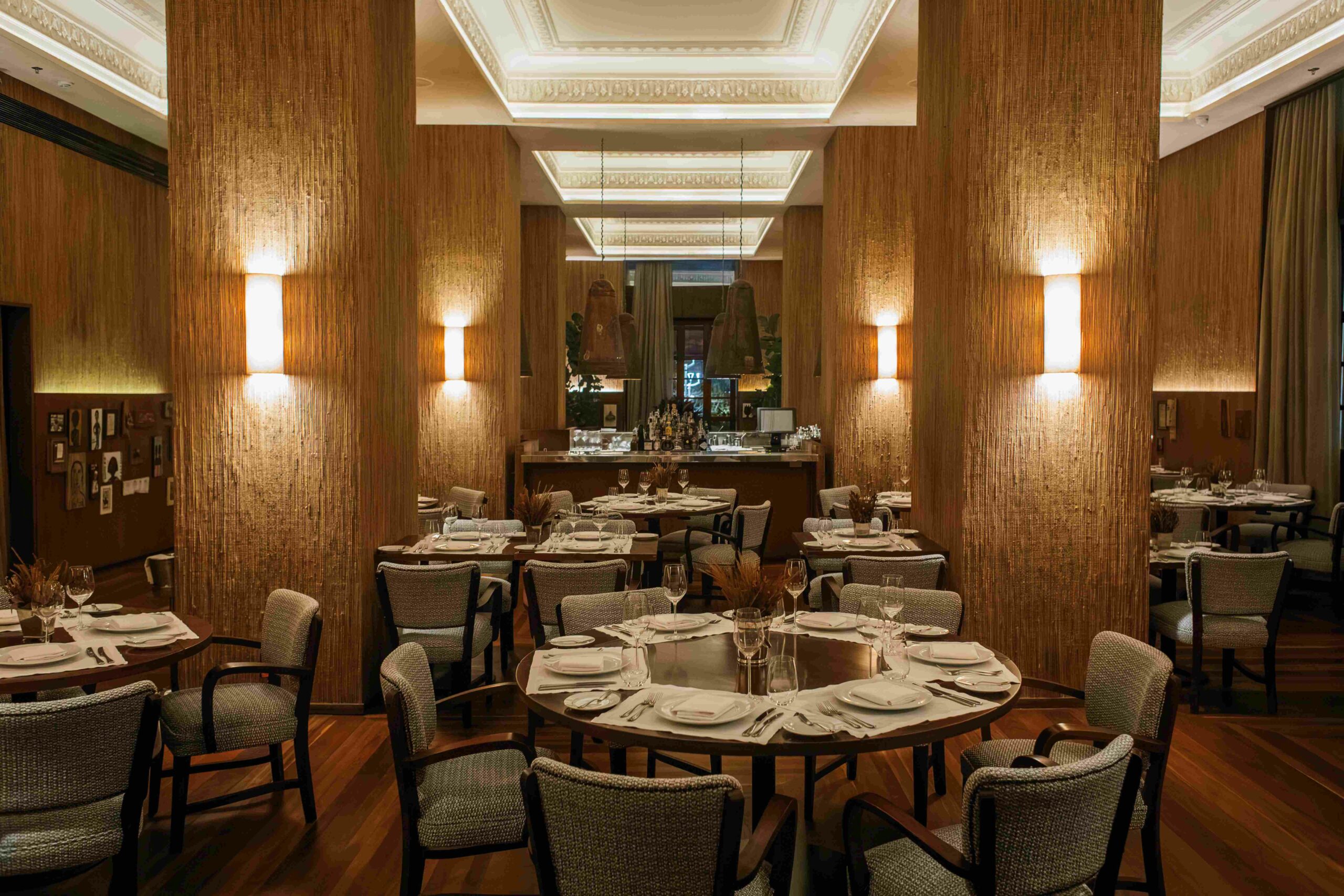
The restaurant occupies a heritage-listed building on Praça Castro Alves — the former home of A Tarde, Salvador's oldest newspaper, for 45 years. The Baía de Todos os Santos sits directly ahead. What's notable about this address is how little it needs to announce itself: the accumulated weight of the place does the work. Journalism, civic life, now hospitality. The building has held many things, and the atmosphere reflects that.
On the rooftop, a pool clad in Azul Bahia granite overlooks the Bay. From up here, the Baía de Todos os Santos fills the view on three sides. You are never not aware of it.
The Kitchen's Point of View
Brito didn't arrive in Bahia to adapt. Three decades inside the Fasano kitchen mean you have a real point of view: a technical seriousness rooted in Italian gastronomy that has defined the Group since Vittorio Fasano opened his first brasserie in São Paulo in 1902. What happens at Gero Salvador is that this tradition meets Bahian cuisine on equal terms.
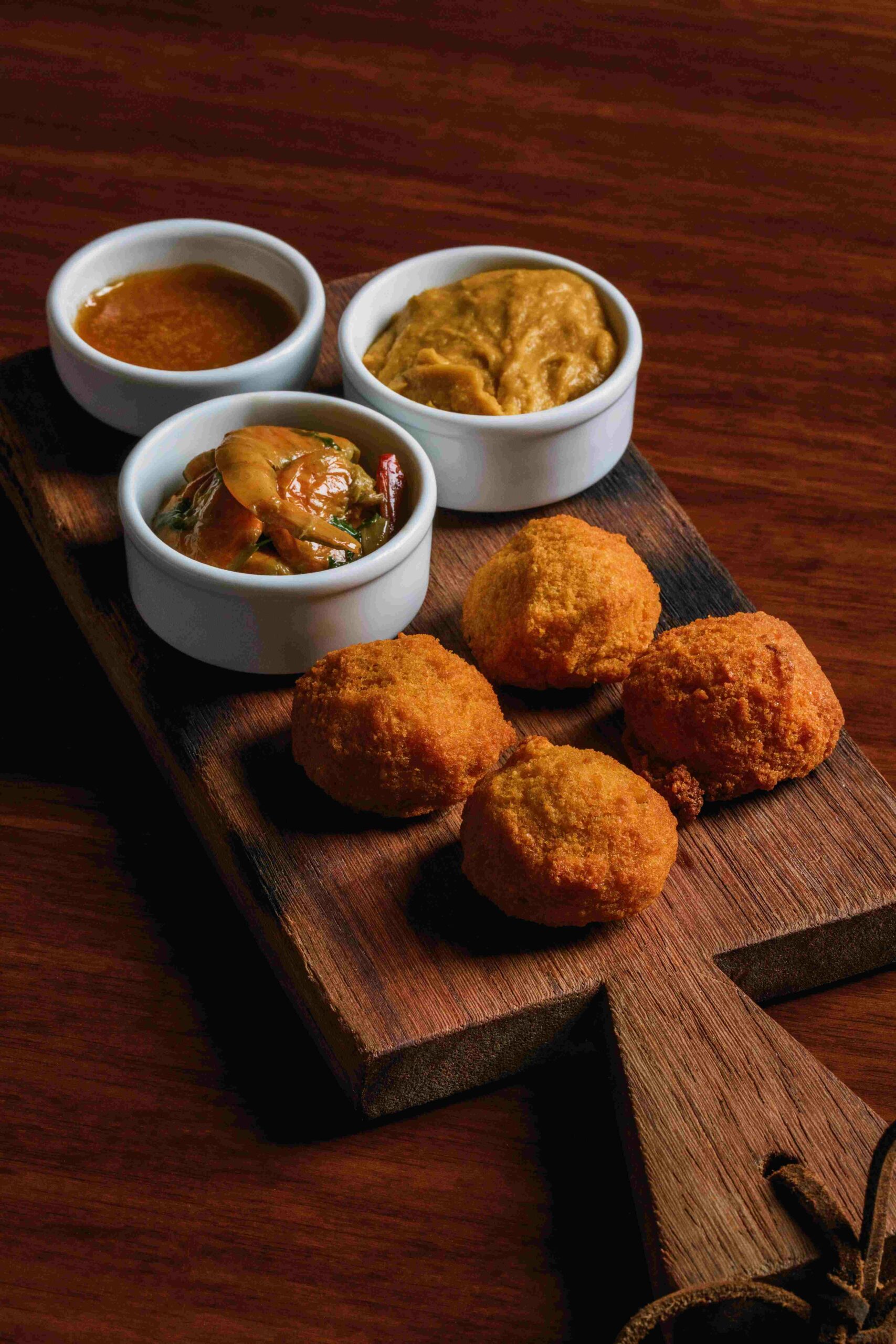
Dendê (the deep-orange palm oil that anchors Bahian cooking), cilantro, ginger, pimenta-de-cheiro (a mild, fragrant chilli native to Brazil): these aren't accents added to an Italian base, they are the base, ingredients with their own logic, their own histories, their own demands. Take vatapá, moqueca, acarajé. What appears on the plate is a deep understanding of these dishes: how the fat works, how heat transforms, what texture memory is holding.
The Dishes
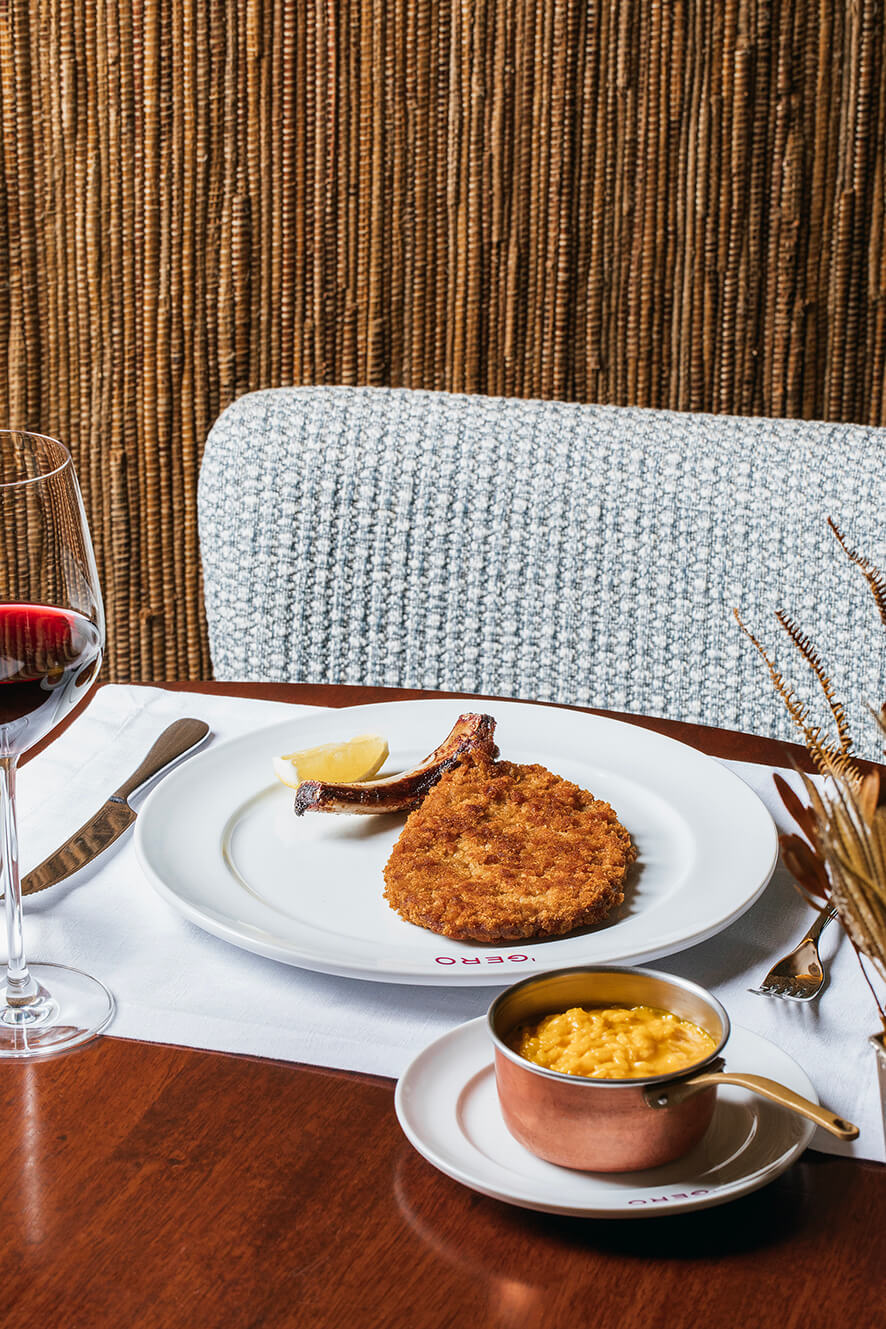
Costeleta de Vitela à Milanesa arrives with a saffron risotto: the veal pounded thin, crumbed, fried until golden. The technique is Milanese — precise, unambiguous — but the saffron risotto underneath carries a warmth that reads differently here, amidst the heat of the city.
Moqueca: coconut milk, dendê oil, fish or shrimp, cilantro. There is nothing reductive about it. What Brito's kitchen brings is calibrated precision: cooking times that preserve texture and keep the broth alive rather than reduced to sauce.
Camarão grelhado — grilled shrimp with a bisque of white wine and thyme, finished with a Sicilian lemon risotto — is where the two culinary traditions are most visibly in conversation. The bisque grounds the dish in classical French-Italian technique; the brightness of the lemon cuts through in a way that feels right for this city.
Agnolotti de Ricota arrives with San Marzano tomato sauce and the zest of Sicilian lemon: a Fasano classic that needs no adaptation. The pasta itself is the constant; everything around it shifts slightly with the address.
Bobó de Camarão — shrimp in a slow-cooked purée of cassava (manioc), coconut milk, and dendê — is among the most distinctly Bahian dishes on the menu. The cassava gives it a density that most stews don't have; the dendê stains everything a deep ocher and leaves a persistent warmth.
Certain dishes are finished tableside by the maître, a long-standing Fasano tradition that turns service into something more like a dialogue.
The Neighbourhood
Fasano Salvador sits a short walk from one of the richest concentrations of food culture in Brazil.
The Pelourinho is minutes away. At Restaurante do SENAC Pelourinho, in the restored Solar União building, trainee chefs prepare classic Bahian dishes with genuine care and technical craft. Good grounding and an experience in itself.
On Rua das Laranjeiras, acarajé, abará, and vatapá are served from stalls throughout the day. This is not food prepared for visitors; it's what the neighbourhood eats. Spending time there — feeling the texture of black-eyed pea, tasting dendê at its most direct — brings you right to the heart of Bahian tastes.
The Mercado Modelo, down in the Cidade Baixa, holds the spices, peppers, and dried herbs that underpin the aromatic language of Bahian cooking. Worth an hour before dinner, or after.
Two Traditions, One Table
Salvador resists easy interpretation. So does its food. Brito's approach starts from that resistance, embracing rather than working around it.
The Fasano legacy — more than 120 years of Italian gastronomy, from Vittorio Fasano's first brasserie in São Paulo to a collection of properties across three countries — doesn't soften at this address. It encounters something with equal weight. What arrives at the table is what happens when neither tradition concedes, and the kitchen is skilled enough to hold the space between them.
Gero Salvador is located in Praça Castro Alves, in Salvador's historic center. Reservations and further details at Gero Salvador.