
A Family, a City, a Hotel. The Fasano Story, from 1902 to Today.
Few areas in São Paulo repay a slow walk the way Jardins does.
In a few blocks, you move from one of Latin America's most sophisticated fashion streets to the facade of a contemporary art gallery, then to a private garden hidden behind wrought iron gates that, decades ago, belonged to a coffee baron's mansion. The neighborhood compresses centuries of São Paulo into a single walk. It's no coincidence that Fasano chose this address to build its first hotel, in 2003. It was, simply, the place where it made sense.
The Neighborhood
Jardins was shaped in the early 20th century by the same men who built São Paulo's fortune on coffee exports. The mansions they erected along tree-lined streets, with their walled gardens, marble verandas and salons designed to receive with pomp, established a discreet standard of refined living that the neighborhood never abandoned — only updated.
The transformation from privileged residential area to cultural and commercial hub happened gradually: instead of erasing the past, Jardins absorbed it. Houses were converted into studios, galleries and restaurants. Rua Oscar Freire, which runs parallel to Rua Vittorio Fasano, became the reference address for international maisons and Brazilian design brands, without ever losing its human scale or its ease on foot.
What distinguishes Jardins from other fashion districts is that it was never homogenised. Galeria Luisa Strina, which represents some of the most relevant names in Brazilian contemporary art, sits a few streets from boutiques and bakeries. MASP, with its structure suspended over Avenida Paulista, is less than fifteen minutes on foot from the hotel; the Pinacoteca do Estado, a short subway ride away. It's the kind of neighborhood where there is always more to discover than a single day allows.

The Family
Hotel Fasano São Paulo sits at the center of this, on Rua Vittorio Fasano — a street that runs parallel to Oscar Freire and carries, in its name, the whole history of why the family chose this address.
The story begins in 1902, when Vittorio Fasano, an Italian immigrant born in Milan, opened Brasserie Paulista in São Paulo's historic center. It wasn't a luxury enterprise; it was a restaurant that served the growing Italian community in the city and a São Paulo bourgeoisie that was beginning to discover the pleasures of Italian gastronomy. What Vittorio planted at that downtown address was something more lasting than a business, it was a philosophy of hospitality.
For more than a century, the Fasano family maintained this philosophy while São Paulo grew around them. Generation after generation, the name became synonymous with a discreet standard of excellence — one built on gastronomy and hospitality rather than grand gestures.
When Gero Fasano decided to open the family's first hotel in 2003, the choice of Jardins followed the same logic that guided his grandfather in 1902: establishing where the city thinks, talks and eats well. The address, Rua Vittorio Fasano, 88, is in itself, a declaration and reflection of this continuity.
The Building
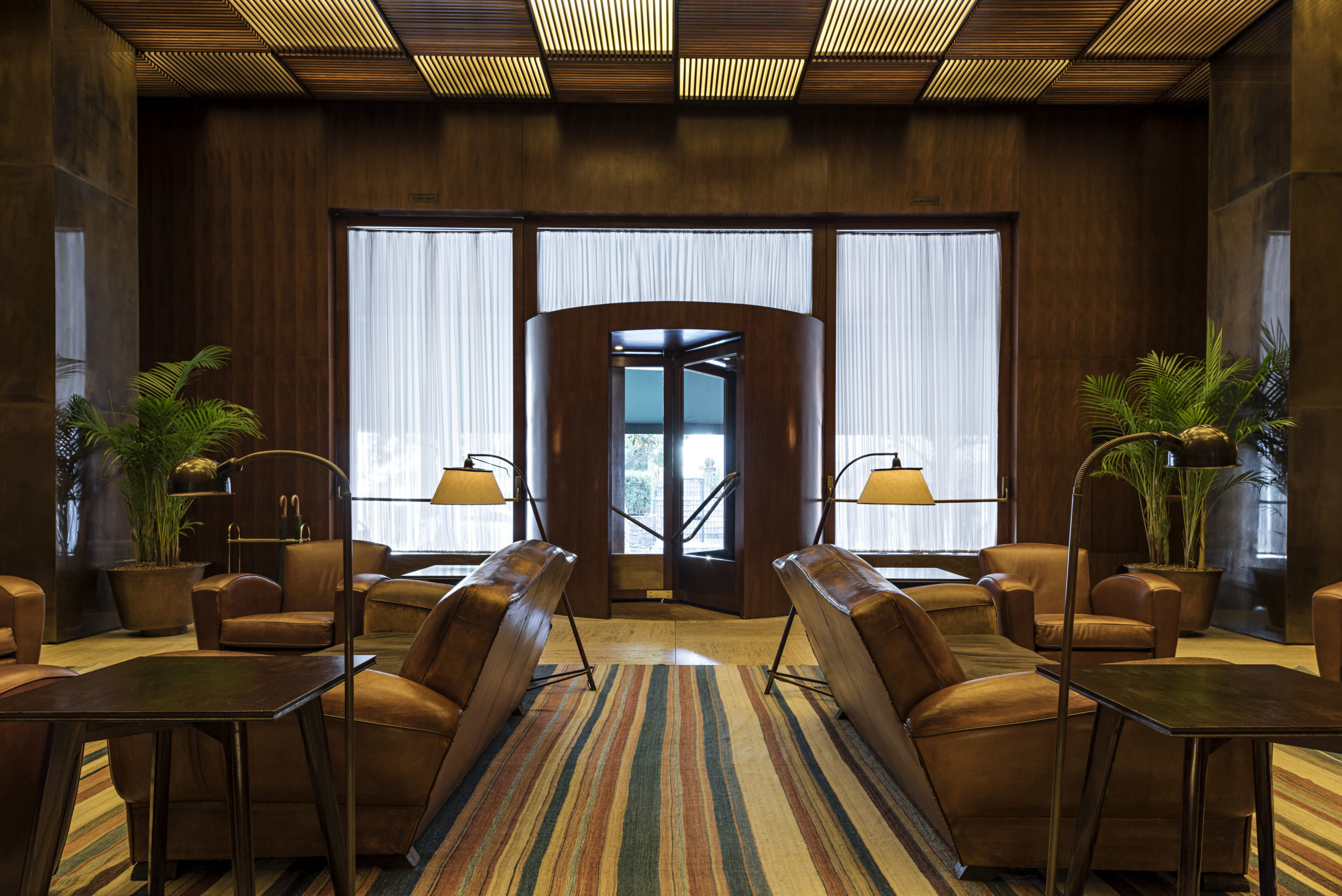
Designed by Isay Weinfeld and Márcio Kogan, the building draws on São Paulo's 1930s and 40s architectural language, with interiors that are precise and quietly considered.
Across 60 rooms and suites, dark wood, leather and natural stone keep things understated throughout. The Italian lineage shows in the details — Persian rugs, Venetian frames, Murano vases — without any of them demanding attention. For more space, the two-bedroom suite runs to 120 square meters of white marble; the deluxe suite, designed by Weinfeld himself, spreads a living room, dining room and guest bathroom across almost 100 square meters.
Spa Fasano offers five treatment rooms for those who want to step away from the city for a while.
The Restaurants
Restaurante Fasano has been setting the standard for Italian fine dining in São Paulo since 1982 — more than two decades before the hotel existed. When the hotel was built around it, the restaurant became the building's center of gravity. Chef Luca Gozzani, who has held a Michelin star since 2015, cooks Italian tradition without overstatement. With room for 80 and a private dining room for 26, it remains one of the city's favourite spots, worth the visit regardless of whether you're staying at the hotel.
On the ground floor, Nonno Ruggero functions as a daily counterpoint: open for breakfast, lunch and dinner on a veranda overlooking Rua Vittorio Fasano, where you and neighborhood residents share the same space in easy company.
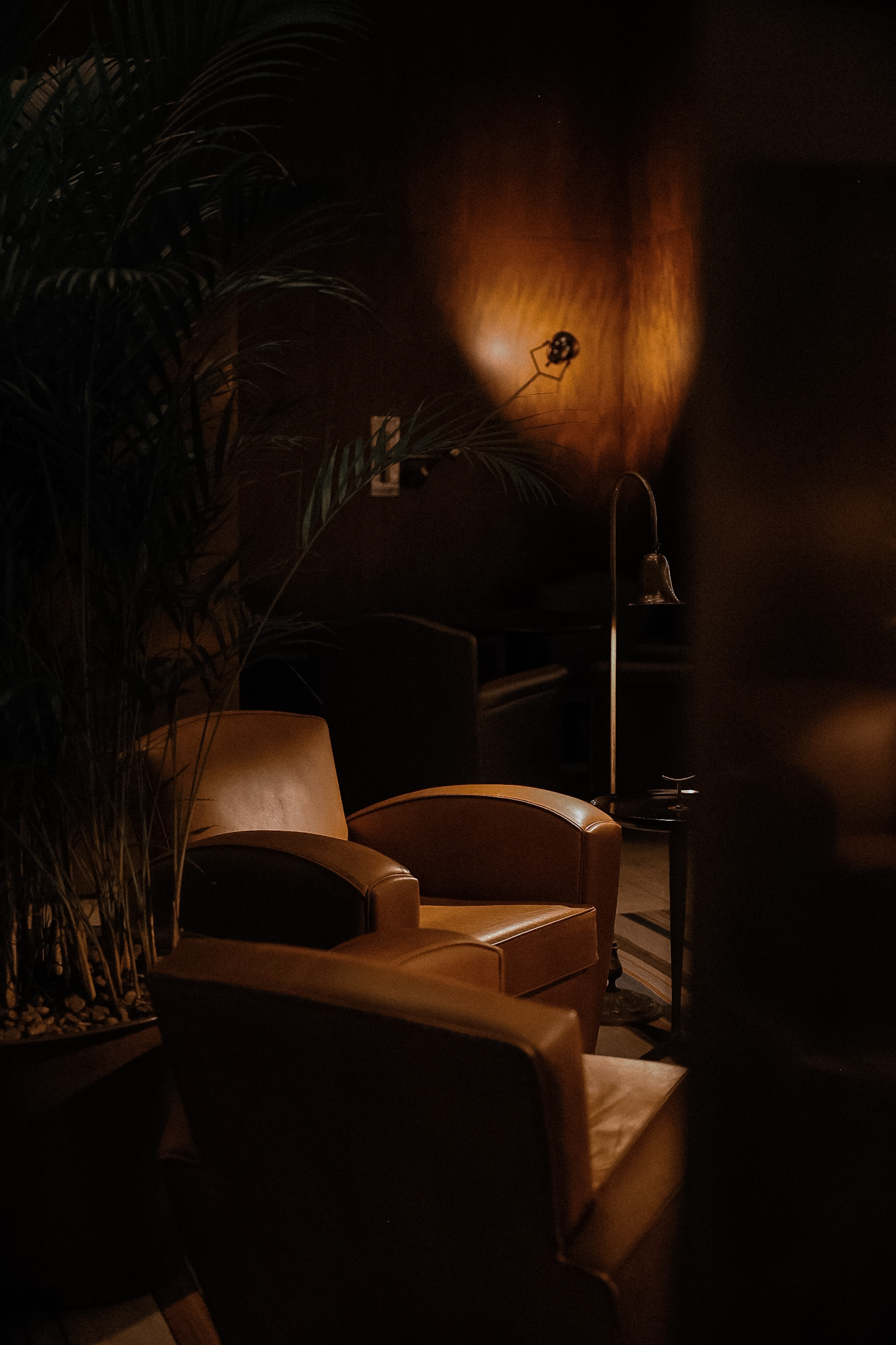
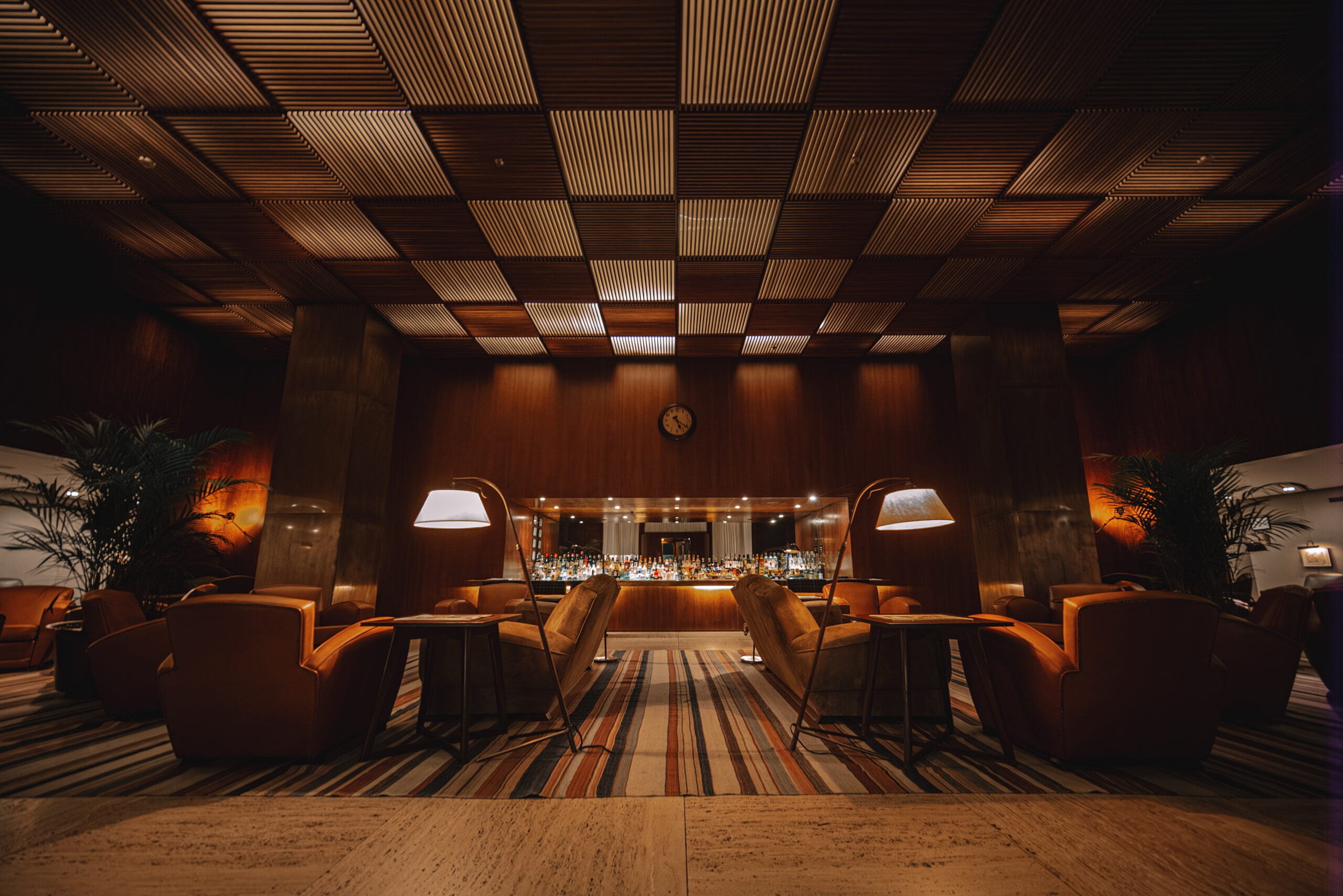
At night, Baretto transforms the hotel into something different. Chosen by Wallpaper\* as the best bar in the world, it operates according to a musical logic that few bars still practice: bossa nova and cool jazz until midnight; swing and bebop after. Sit in one of the leather armchairs — where the likes of Caetano Veloso, Chico Buarque and Bebel Gilberto have sat before — order what the bartender suggests and let the night take its rhythm.
For a first visit or a return, Fasano São Paulo remains one of the city's most reliable addresses — a hotel that knows São Paulo well, and shows it.